

The Psychological Toll of Wildfires
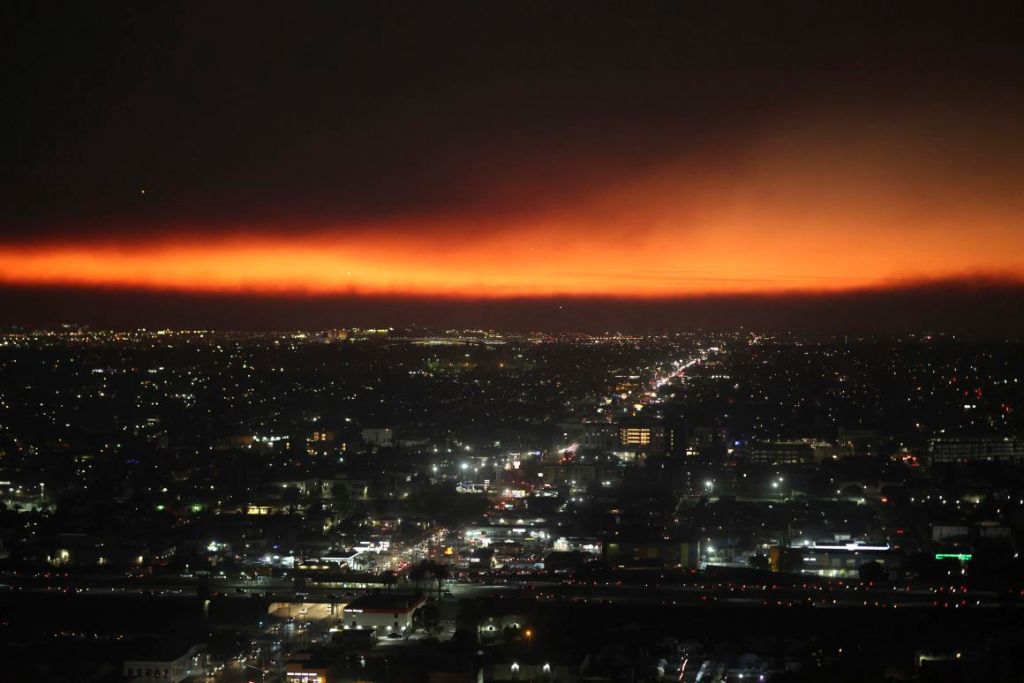
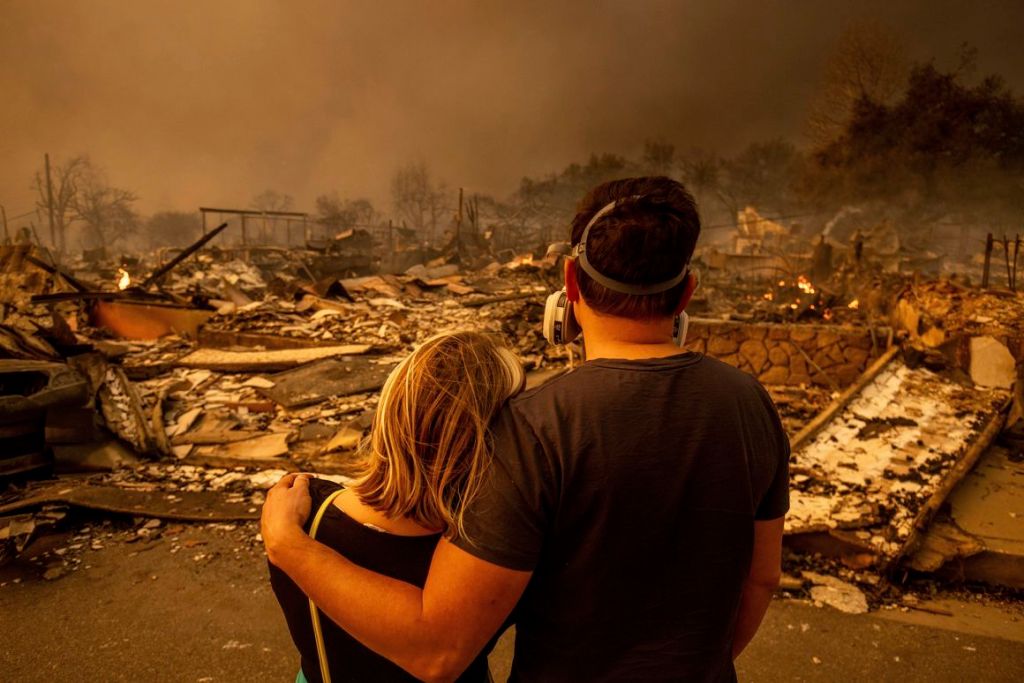
The Los Angeles and Ventura County Wildfires, with their rapid onset and unpredictable nature, can induce a range of psychological reactions. Some of the most common include:
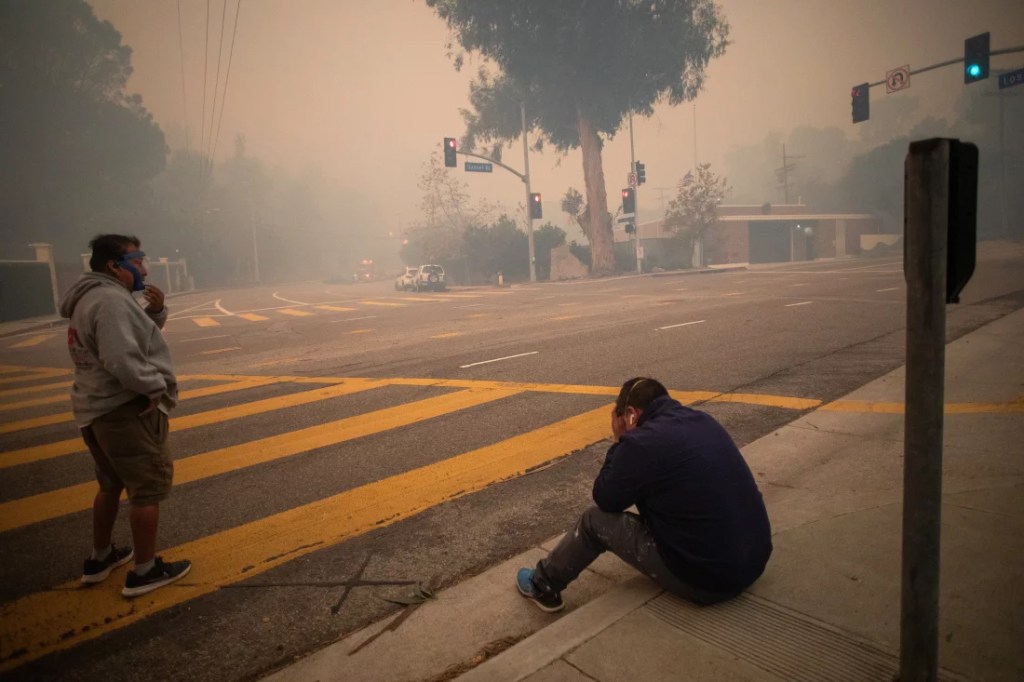
• Acute Stress Reactions: This is the immediate emotional response to a traumatic event. Individuals may experience shock, confusion, anxiety, or dissociation.
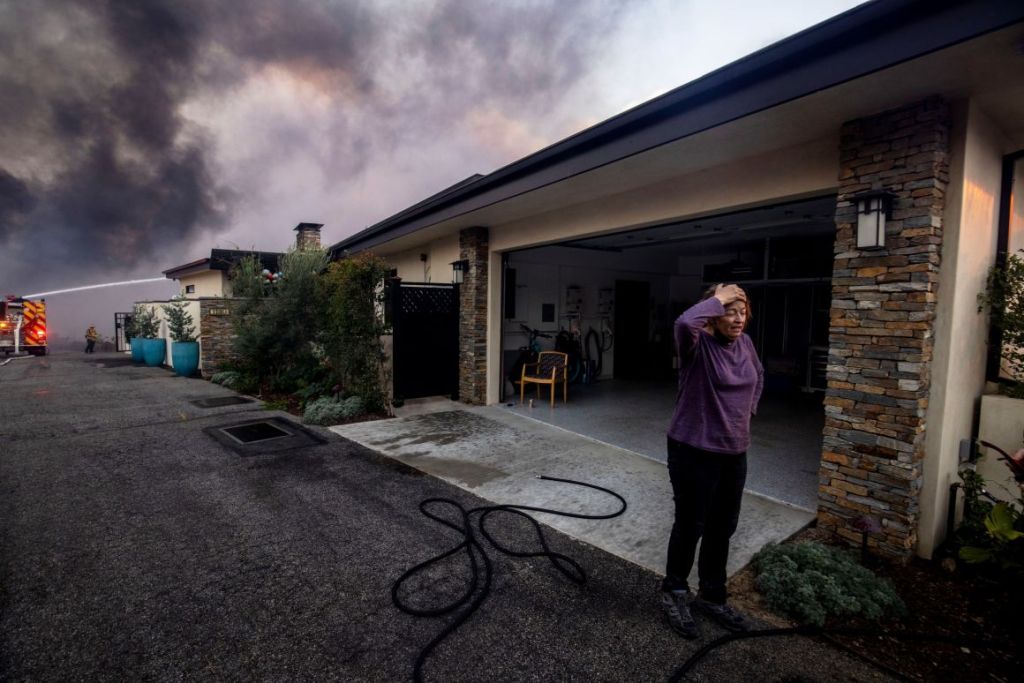
• Post-Traumatic Stress Disorder (PTSD): Prolonged exposure to traumatic events like wildfires can lead to PTSD, characterized by flashbacks, nightmares, and severe anxiety.

• Depression: The loss of homes, possessions, and sometimes loved ones can trigger profound sadness, hopelessness, and a loss of interest in once-enjoyed activities.
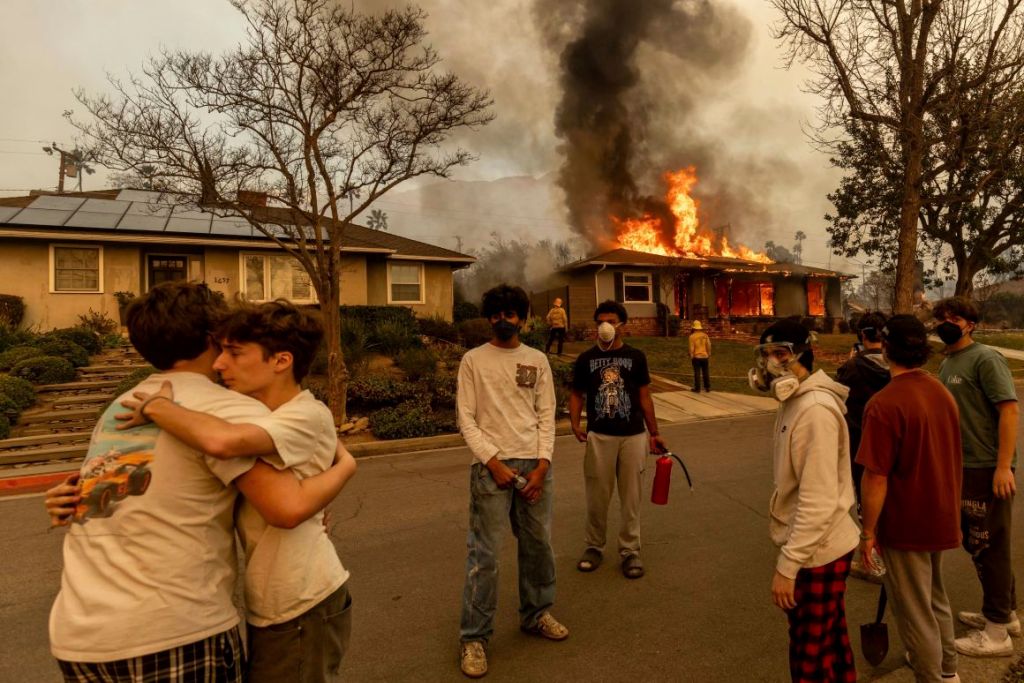
• Anxiety Disorders: The uncertainty and fear of future fires can lead to chronic anxiety, manifesting as restlessness, fatigue, difficulty concentrating, and muscle tension.
Exacerbating Factors: The New Political Atmosphere

The impact of wildfires on mental health is further magnified by the current political climate. With a new president and shifting political priorities, many individuals feel uncertain about the future, particularly regarding climate policies and disaster management. This political transition can exacerbate feelings of instability and fear, compounding the stress caused by the fires.
For those already struggling with mental health issues, the combination of environmental disasters and political changes can be overwhelming. It’s crucial to recognize that these feelings are valid and to seek support when needed.
Seeking Support: The Importance of Counseling

In the face of these challenges, seeking counseling can be a lifeline. Mental health professionals are equipped to help individuals process their trauma, develop coping strategies, and build resilience. Here are some steps to consider:

• Reach Out: If you’re feeling overwhelmed, don’t hesitate to contact a mental health professional. Many therapists offer online sessions, making access to care more convenient.

• Community Support Groups: Joining a support group can provide a sense of solidarity and shared experience, which is incredibly therapeutic during recovery.


• Mindfulness and Stress Reduction Techniques: Practices such as meditation, yoga, and deep breathing exercises can help manage anxiety and promote mental clarity.
Moving Forward
While the road to recovery from the wildfires and the broader challenges of our time may be long, it is essential to prioritize mental health. By acknowledging the psychological impact of these events and seeking the necessary support, we can begin to heal and build a more resilient community.
Here are some important resources!
- California Animal Response Emergency Support via CARES Facebook
- California Department of Forestry and Fire Protection / CAL FIRE
- Los Angeles County Emergency Animal Shelter Information: Los Angeles County Fires
- Los Angeles County resource page for residents
- Residents in unincorporated communities can report urgent requests 24/7 by calling 800-675-4357.
- Learn what to pack in your #DisasterReady kit to ensure you and your animals are safe
Remember, you are not alone in this. As we navigate these turbulent times, let’s lean on each other and the resources available to ensure that our mental health remains a priority.
Sincerely,
Ross Grossman, MA, LMFT
Affinity Therapy Services
http://www.affinitytherapyservices.com
Categories: psychology, Self Help, Tragedy

 Rational Animal